
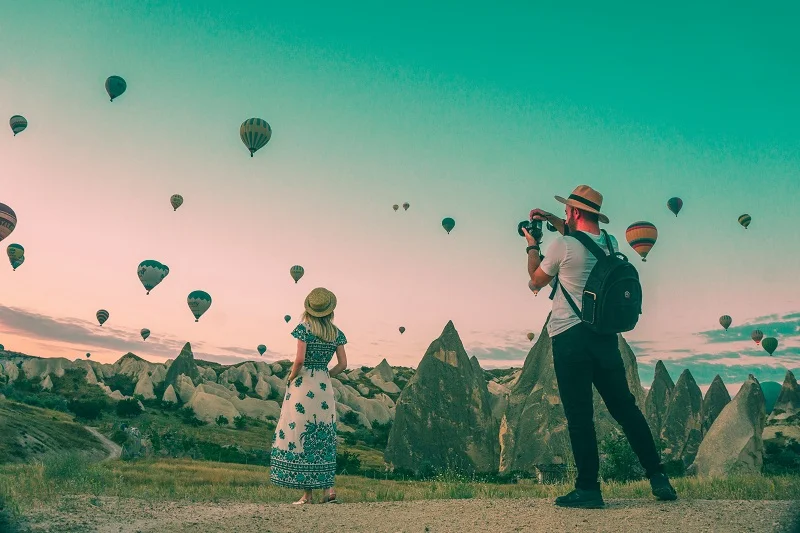
Human beings are naturally drawn to novelty and exploration. While purchasing material goods provides a temporary spike in happiness, psychological research consistently shows that investing in experiences yields a far greater, more enduring return on happiness. Material items eventually degrade, lose their initial appeal, or become obsolete, but a transformative travel experience embeds itself into an individual’s identity, shaping their worldview and providing a lifetime of rich memories.
Not all travel experiences are created equal. Simply moving from one destination to another or spending a week inside an isolated luxury resort rarely triggers deep psychological transformation. The journeys that linger in the mind for decades are those that push personal boundaries, facilitate authentic human connection, immerse the traveler in breathtaking natural phenomena, or challenge long-held assumptions. This comprehensive guide explores the specific types of travel experiences that transcend standard sightseeing and forge indelible, lifelong memories.
Immersive Cultural Integration and Homestays
True travel magic occurs when you step away from the role of a passive observer and actively participate in the daily rhythm of a foreign community.
Living alongside local families
Choosing a managed homestay over a traditional hotel chain is one of the fastest ways to build profound memories. When you share a roof, meals, and daily conversations with a family in a rural village in a country like Peru, Japan, or Morocco, you gain access to an authentic way of life that cannot be packaged or sold by a tour agency. Navigating language barriers through shared laughter, learning to prepare traditional family recipes, and observing local customs firsthand fosters a deep sense of universal human empathy.
Participating in historic localized festivals
Aligning your travel itinerary with ancient cultural celebrations offers a sensory immersion that etches itself into the mind permanently. Witnessing the quiet, illuminating beauty of the Lantern Festival in Thailand, participating respectfully in the Dia de los Muertos traditions in Mexico, or experiencing the vibrant energy of the Carnival celebrations in Brazil exposes travelers to the raw, unedited soul of a culture. These communal events reveal how history, spirituality, and artistic expression intersect to define a society’s collective identity.
Active Exploration of Extraordinary Landscapes
Engaging in physically demanding exploration amplifies the emotional impact of a destination, turning a simple vacation into an personal triumph.
Completing iconic long-distance treks
There is a profound psychological difference between viewing a mountain peak from a tour bus window and reaching it on your own two feet. Embarking on historic journeys like the Inca Trail to Machu Picchu, trekking through the stark beauty of the mountain circuits in Nepal, or walking the ancient pilgrimage pathways of the Camino de Santiago in Spain demands physical stamina and mental resilience. The shared camaraderie among fellow hikers, the rhythmic simplicity of walking for days, and the final reward of witnessing a historic landmark at dawn create an intense emotional imprint that remains vibrant for life.
Navigating unique and fragile ecosystems
Traveling to remote regions that exhibit unusual biodiversity or geological formations alters a person’s perspective on the natural world. Snorkeling alongside unique wildlife in the Galapagos Islands, navigating icebergs in the polar expanses of Antarctica, or tracking apex predators through the vast savannas of the Serengeti provide raw, unfiltered encounters with nature. These profound moments foster a deep sense of ecological responsibility and a realization of the scale and complexity of the planet.
Witnessing Rare and Ephemeral Celestial Phenomena
Some of the most unforgettable travel memories are driven by the theater of the sky, forcing individuals to look upward in absolute awe.
Chasing the aurora borealis and australis
Standing in sub-zero temperatures in the dark wilderness of places like Iceland, Norway, or the Yukon while the night sky erupts into curtains of dancing green, violet, and crimson light is a near-spiritual experience. The northern and southern lights are completely unpredictable, requiring patience, timing, and luck. The anticipation leading up to the display, combined with the silent, ethereal beauty of the solar particles colliding with Earth’s atmosphere, creates a visceral memory that individuals frequently describe as a definitive highlight of their lives.
Experiencing a total solar eclipse
A total solar eclipse is a highly localized astronomical event that transforms the landscape in an instant. Travelers who actively journey into the path of totality witness a profound shift: temperatures drop suddenly, birds cease chirping as birds mistake midday for night, and the sun is replaced by a black orb surrounded by a glowing cosmic corona. The collective gasp of thousands of observers sharing that brief window of celestial alignment creates a powerful, unifying memory of shared human wonder.
Slow Travel and Slow Journeys via Historic Transport
The modern aviation industry prioritizes speed, treating travel as a necessary inconvenience between point A and point B. Conversely, slow travel frameworks focus on making the transit a primary source of memory generation.
Embarking on legendary rail journeys
Long-distance train travel offers a romantic, contemplative window into the changing geography of a nation. Journeying aboard iconic lines like the Trans-Siberian Railway, the luxury carriages of the Orient Express, or the high-altitude routes through the Swiss Alps allows travelers to witness landscapes transform gradually. The steady click-clack of the tracks encourages deep introspection, reading, and lengthy, meaningful conversations with fellow passengers from diverse backgrounds, turning the journey itself into an intricate tapestry of memories.
Undertaking classic cross-country road trips
The classic overland road trip represents the ultimate expression of personal freedom. Driving across expansive landscapes, such as Route Sixty-Six in the United States, the Wild Atlantic Way in Ireland, or the Great Ocean Road in Australia, allows for complete spontaneity. The freedom to take an unplanned exit, pull over at a quirky roadside diner, or stop to watch a sunset over an empty ocean cliff side turns minor, accidental discoveries into some of the most cherished and personalized highlights of an entire trip.
Frequently Asked Questions
What is the specific psychological mechanism that makes travel memories last longer than material items?
Travel memories endure longer due to a psychological phenomenon known as experiential adaptation. When we buy a material object, it remains static, and our brains quickly adapt to its presence, reducing its emotional value over time. Travel experiences, however, are dynamic and rich in sensory, emotional, and social stimuli. These memories actively integrate into our personal identity and narrative story, meaning that every time we recall or share the experience, the neural connections are reinforced and preserved.
How can a traveler ensure they are participating in an ethical homestay?
To guarantee a homestay is ethical and mutually beneficial, travelers should book through community-based tourism organizations or reputable agencies that have transparent financial models. An ethical framework ensures that a significant percentage of the lodging fees goes directly to the host family and the wider village economy rather than being absorbed by corporate middlemen. Additionally, travelers must research and strictly respect the cultural norms, dress codes, and privacy boundaries of the host community.
What is the ideal way to document a journey without letting a screen distract from the moment?
The most effective way to document travel without compromising the immediate experience is to establish designated, structured reflection windows. Instead of viewing the entire trip through a camera lens or constantly editing social media updates on the fly, allocate fifteen minutes every evening to write in a physical journal. Focus on writing down sensory details, such as unique scents, ambient sounds, and internal emotional shifts, which are far more effective at triggering long-term memory recall than a generic smartphone photograph.
How can someone prepare mentally and physically for a long-distance trek?
Physical preparation should begin months in advance, focusing on cardiovascular endurance and targeted leg strength training, such as climbing stairs and hiking with a weighted backpack identical to the one you will use on the trail. Mental preparation involves cultivating adaptability and accepting discomfort. Understand that you will likely face unpredictable weather shifts, basic sanitation facilities, and physical fatigue, and reframe these potential stressors as core narrative components of the adventure.
Why does traveling solo often result in more distinct memories than traveling in a group?
Solo travel tends to create highly vivid memories because it forces a person to be hyper-aware of their immediate surroundings and decisions. Without the familiar safety net of a companion, solo travelers are significantly more likely to initiate conversations with locals, form bonds with other international wanderers, and immerse themselves fully in the local environment. Additionally, every logistical choice and route correction rests entirely on the individual, resulting in a deeper sense of personal empowerment and memory retention.
What is the concept of slow travel and how does it prevent vacation burnout?
Slow travel is an intentional philosophy that rejects the urge to pack as many tourist attractions and cities into an itinerary as possible. Instead, it emphasizes staying in one neighborhood, town, or region for an extended period, allowing you to establish a routine, frequent local cafes, and experience the destination like a resident. By eliminating constant packing, transit stress, and checklist mentalities, slow travel dramatically reduces fatigue while paving the way for deeper, more meaningful local connections.
How can travelers minimize their environmental impact when visiting fragile ecosystems?
When exploring vulnerable environments, travelers must adhere strictly to the Leave No Trace principles. This involves booking exclusively with eco-certified tour operators who prioritize wildlife conservation, maintaining a safe and respectful distance from wild animals, refusing to remove natural souvenirs like shells or rocks, managing personal waste responsibly, and offsetting carbon emissions from flights through vetted environmental initiatives.
