
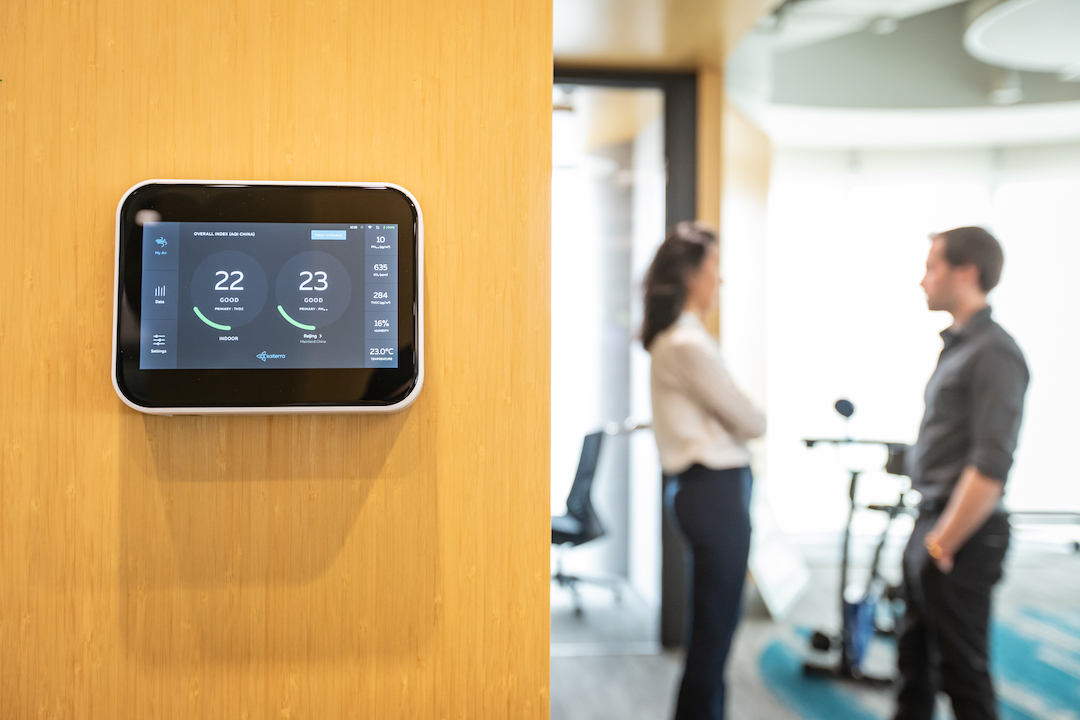
When it comes to sustainable building solutions, one aspect that often goes overlooked is indoor air quality. In a bustling city like Bangkok, where pollution levels can be high, ensuring clean and healthy air indoors is crucial for the well-being of occupants. With the rise of building automation controls, there are now more opportunities than ever to improve indoor air quality in buildings. Let’s explore why indoor air quality is the unsung hero of sustainable building solutions and how it can make a significant impact on the health and comfort of building occupants.
One of the key factors affecting indoor air quality in buildings is proper ventilation. Without adequate ventilation, pollutants from everyday activities such as cooking, cleaning, and even breathing can build up indoors. Building automation controls play a vital role in regulating ventilation systems to ensure a constant supply of fresh outdoor air while also monitoring indoor air quality levels. By integrating these controls into building systems, property owners in Bangkok can create healthier indoor environments for occupants.
In addition to ventilation, another important aspect of maintaining good indoor air quality is controlling humidity levels. High humidity can lead to mold growth and worsen respiratory conditions, while low humidity can cause discomfort and dry out mucous membranes. Building automation controls allow for precise monitoring and adjustment of humidity levels in buildings, helping to create a comfortable and healthy indoor environment for occupants.
Furthermore, indoor air quality is closely linked to energy efficiency in buildings. By using building automation controls to optimise heating, cooling, and ventilation systems, property owners can reduce energy consumption while maintaining optimal indoor air quality levels. This not only benefits the environment by lowering carbon emissions but also leads to cost savings for building owners in the long run.
Another benefit of prioritising indoor air quality in sustainable building solutions is its positive impact on occupant health and productivity. Poor indoor air quality has been linked to respiratory problems, allergies, fatigue, and decreased cognitive function. By investing in technologies like building automation controls that enhance indoor air quality, property owners can create spaces that promote well-being and productivity among occupants.
In conclusion, indoor air quality plays a crucial role in sustainable building solutions by not only promoting health and comfort but also improving energy efficiency and productivity. With the help of advanced technologies such as building automation controls, property owners in Bangkok can take proactive steps towards creating healthier indoor environments for occupants. Prioritising indoor air quality may be the unsung hero of sustainable building solutions today but its impact on our overall well-being should not be underestimated.
