
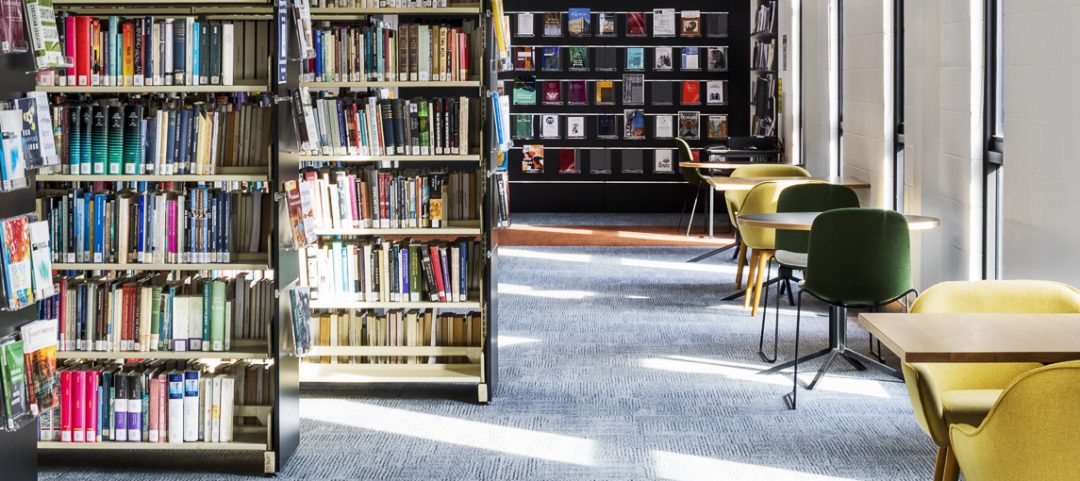
Intellectual archives and libraries preserve the essence of humanity’s intellectual pursuits. However, there comes a time in the life of such institutions where the inevitable need for a relocation arises. In Melbourne, a city celebrated for its rich literary history and vibrant reading culture, moving library collections is a task that intertwines precision, care, and profound respect for the written word.
Relocating a library is far removed from the conventional moving experience. It is not merely about transporting books from one location to another but ensuring the preservation and integrity of knowledge. This intricate task demands a meticulous approach, where each step is carefully planned and executed to protect these invaluable assets.
The first consideration in moving library collections is cataloguing. Ensuring that every item is accounted for is paramount. This process, often digitalised, allows for a smoother transition and aids in the re-establishment of the collection in its new home. In the context of Melbourne, with its diverse array of both public and private collections, this step is foundational, ensuring that the literary treasures of the city are preserved without a hitch.
Climate control is another critical aspect. The varying weather patterns in Australia, particularly the unpredictable climate shifts in Melbourne, necessitate careful planning. Books and manuscripts are susceptible to damage from temperature fluctuations and humidity. Therefore, controlling the environment during the move, from packing, through transit, to unpacking, is essential to prevent warping, mould, or other forms of deterioration.
The logistics of physically moving the items also present a unique set of challenges. Specialised packing materials and techniques are employed to safeguard delicate pages and bindings. Custom crates and temperature-controlled vehicles may be used, especially for rare or antique volumes that are irreplaceable. The goal is to minimise handling and ensure the collections arrive at their destination in the same condition they left.
Community involvement and communication are equally important. For public libraries, keeping the community informed and engaged in the process can turn a potentially disruptive experience into a shared cultural milestone. In Melbourne, where libraries serve as hubs of community and learning, involving residents in the relocation process can foster a sense of ownership and anticipation for the library’s new chapter.
Finally, the design and layout of the new space play a crucial role in the art of library relocation. Beyond the mere aesthetics, the architectural considerations must echo the mission of accessibility, preservation, and engagement. The new setting should invite exploration and discovery, accommodating the needs of all patrons, while ensuring that the collection itself is housed in a manner that continues to preserve its integrity for future generations.
